
We tend to pay attention to what we can feel.
Pain. Fatigue. Brain fog. A racing heart.
But blood pressure?
It’s silent - while exerting a constant mechanical force on one of the most delicate systems in the body: our brain.
From My Own Experience
I’ve seen this play out personally.
There was a time when I was taking T4-only thyroid medication, and my thyroid labs looked acceptable.
But my blood pressure told a different story - it was consistently registering a bit elevated and gradually increasing, without any obvious reason.
Diet hadn’t changed. Lifestyle hadn’t changed. It wasn’t until I threw out the T4 meds in 1999/2000 - and addressed my continuing sub-clinical hypothyroid state - that my blood pressure gradually returned to a solid baseline under 120/80.
That connection stayed with me.
Why Blood Pressure Matters
Our brain is not just an organ - it’s a dense network of microscopic vessels delivering oxygen, glucose, and nutrients with extraordinary precision.
Now imagine those vessels under constant pressure.
Not enough to trigger symptoms.
Not enough to send us to the doctor.
But just enough - over years - to cause subtle damage.
The resulting damage is:
Micro-tears in vessel walls
Reduced elasticity
Impaired blood flow
Breakdown of the blood-brain barrier
Over time, this can translate into:
Reduced cognitive resilience
Increased risk of vascular dementia
Greater vulnerability to Alzheimer’s pathology
“I feel fine” doesn’t mean much here
One of the most misleading assumptions is that if blood pressure were a problem… you’d know it.
You wouldn’t.
Elevated blood pressure is often completely asymptomatic - even when it’s doing real damage.
And there is nuance:
A “normal” reading at the doctor’s office doesn’t tell the full story
Spikes during stress, poor sleep, or exertion often go unnoticed
Nighttime blood pressure (when our brain is repairing itself) may be the most important - and the least measured
We can feel great… and still be quietly accumulating risk.
What This Means for APOE4 Carriers (and Anyone Who Cares About Their Brain)
To protect our cognitive future - blood pressure becomes important and a marker we want to understand clearly!
Why?
Because it amplifies everything else.
Inflammation becomes more damaging
Lipid transport issues become more consequential
Microvascular dysfunction accelerates
It’s not just a number. It’s a damage multiplier.
Subtle Signs Something May Be Off
We may not “feel” high blood pressure - but our bodies sometimes give us subtle cues.
Poor sleep quality or frequent nighttime waking
Feeling wired but tired
Head pressure (not pain - just pressure)
Reduced exercise tolerance
Increased heart rate variability instability
While these symptoms aren’t diagnostic - they’re clues worth paying attention to.
What to do (Without Overcomplicating It)
1. Measure - Don’t Assume
Take your blood pressure at home
Measure at different times (morning, evening, post-exercise)
Pay attention to patterns - not just isolated readings
2. Hydration Matters
Even mild dehydration can elevate blood pressure.
Start your day hydrated
Maintain steady fluid intake - not just when thirsty
3. Vascular System Training
Our blood vessels respond to how we use them.
Regular walking
Resistance training
Short bursts of higher intensity (as tolerated)
This is more than just fitness - it’s vascular conditioning.
4. Sleep Is a Blood Pressure Event
If your sleep is fragmented, your blood pressure likely is too.
Prioritize consistent sleep timing
Reduce late-night stimulation
Pay attention to nighttime awakenings
5. Manage the “Invisible Load”
Stress doesn’t just affect your mind - it affects your pressure.
Breathing practices
Time outdoors
Deliberate downshifting during the day
The Takeaway
Since we are building a plan for long-term brain health, we can’t overlook the quiet forces.
They’re often the ones that matter most. I used to assume my blood pressure was great. Now, I verify! Periodically I track pressure for several weeks at a time - several times a day - consistently at the same time.
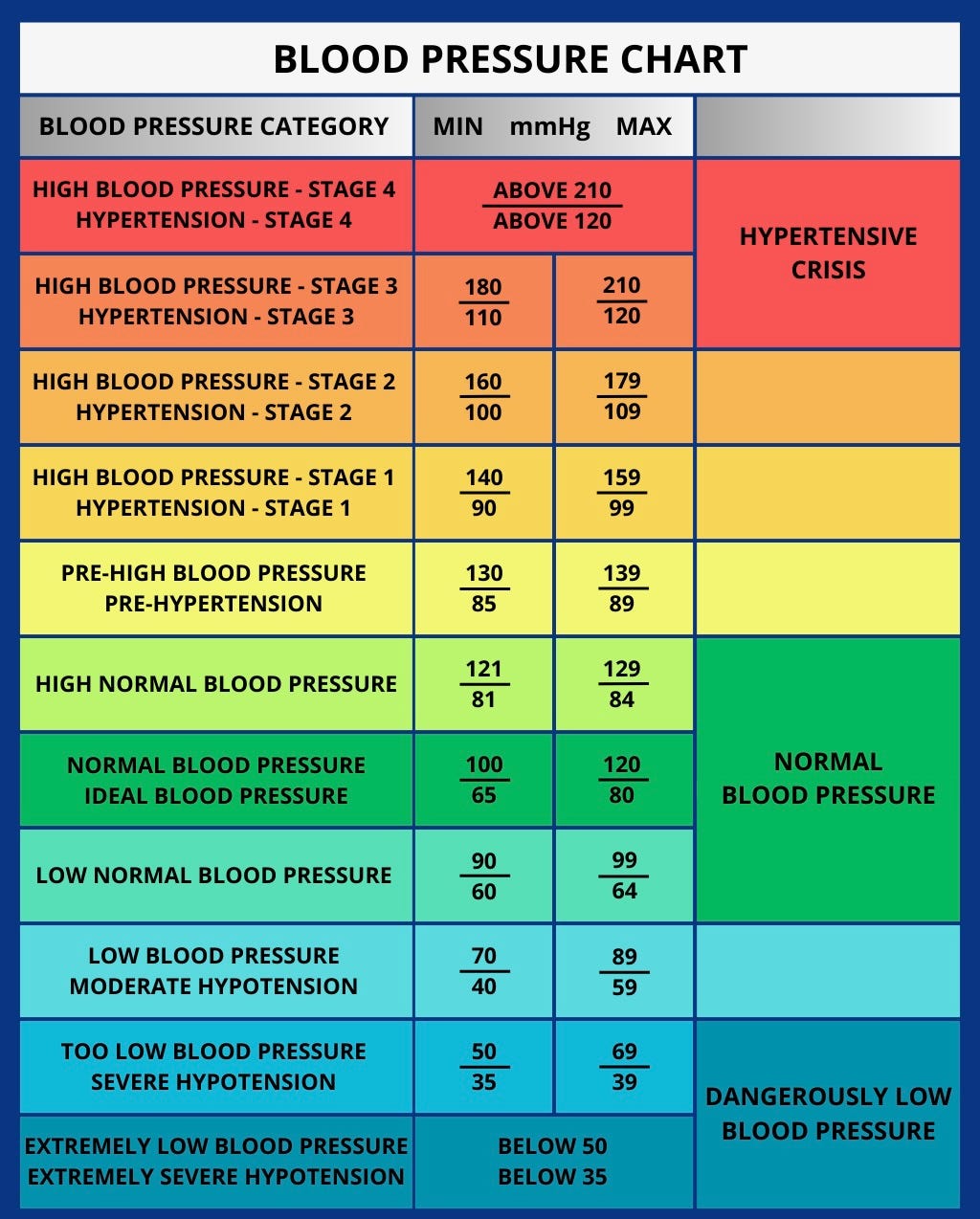
Thank you for this clear and important piece. Love how you highlighted blood pressure as a silent contributor, especially in the context of long-term brain health. This helps connect a common, often overlooked metric to outcomes patients deeply care about, like cognitive function and independence. What stood out to me most is the cumulative nature of vascular stress. Even modest elevations in blood pressure over time can influence cerebral perfusion, microvascular integrity, and white matter changes, which are increasingly linked to cognitive decline. One aspect that might further strengthen the piece would perhaps be to clarify target ranges and variability: how optimal blood pressure may differ across age groups and individual risk profiles, and how factors like measurement technique or time of day can influence readings.
Such a thoughtful and clinically relevant read.
Such a good visual reminder of the damage elevated BP can do to the brain...without any outside warning signs! Folks may want to check out the latest guidelines on the definition of elevated BP and Hypertension. Clinical hypertension is defined as 130/80 and above...and a BP of 121/75 is defined as Elevated! Folks can visit the American Heart Association website and share this information with their provider if they have an interest in optimizing their blood pressure. https://www.heart.org/en/health-topics/high-blood-pressure/understanding-blood-pressure-readings